

Dallas rodent control often starts with a small clue. You hear a scratch in the wall at night, or you find a few droppings behind the toaster. Rats and mice are good at hiding, so by the time you see one, a few more are usually nearby.
This guide explains how to tell if rats or mice are inside your home, what you can safely check on your own, and when it is time to call a licensed pest professional. It is written for homeowners and renters across Dallas and the Dallas-Fort Worth area.
Dallas Rodent Control Starts With Spotting the Signs
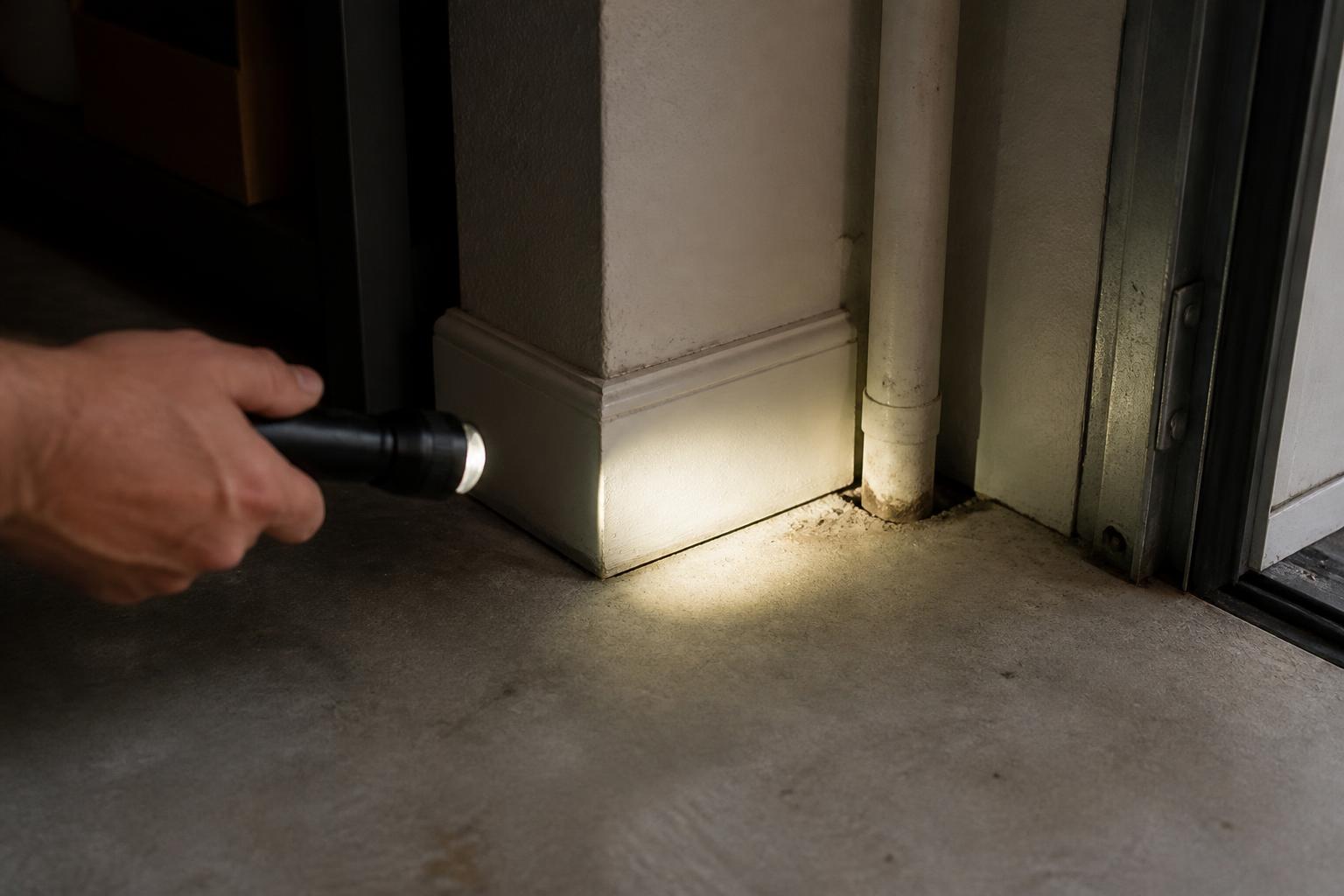
You do not have to see a rodent to know one is there. Most people find signs first. A flashlight, a free half hour and a slow walk through the house will tell you a lot.
Check the places rodents like best. Look in the kitchen, the pantry, the garage, the laundry room and under sinks. Look in the attic and along the edges of closets. Rats and mice look for food, water and shelter, and these spots offer all three.
Why Rats and Mice Move Indoors When It Cools Off
Rodents do not leave your yard because they want to bother you. They come in because your house is warm, dry and full of food. As the weather cools in late autumn and winter, more of them look for a way inside.
Mice can squeeze through a gap about the size of a dime. Rats need a little more room, about the size of a quarter. Gaps around pipes, vents, garage doors and the roofline are common entry points in Dallas homes.
That is why a fall check matters. If you find a gap, the rodents may already have found it too.
Signs of Rats and Mice You Can Check Yourself
Here are the most common clues, and where to look for each one.
Droppings and Gnaw Marks
Droppings are the easiest sign to spot. Mouse droppings are small and dark, about the size of a grain of rice. Rat droppings are larger, often about half an inch long, with blunt or pointed ends.
Look along walls, behind appliances and in cabinet corners. Fresh droppings look dark and moist. Old ones look gray and dry.
Gnaw marks are the second big clue. Rodent teeth never stop growing, so they chew constantly. Check food boxes, baseboards, wooden beams and the plastic around wires. Fresh gnaw marks are light in color. Old ones turn dark.
Grease Marks and Nesting Material
Rats follow the same paths along walls again and again. Their fur leaves dark, greasy smudges along baseboards, pipes and beams. You may also see tracks in dusty spots, like the attic floor or the garage.
Nests are another sign. Rodents shred paper, insulation, fabric and cardboard to build them. A pile of chewed material in a quiet corner, a box or a wall opening is worth taking seriously.
Noises, Smells and Pets
Rodents are most active at night. Scratching, scurrying or squeaking in the walls or ceiling after dark is a classic warning. Noises in the attic often point to rats, especially if they sound heavy or seem to run across the ceiling.
A stale, musty smell in a closed space can also mean rodents have been there for a while. Pets can notice before you do. A dog that keeps sniffing at a wall or a cat that stares at the same corner may be hearing something you cannot.
Rat or Mouse? How to Tell the Difference
The two problems look alike at first, but they are not the same. Knowing which one you have helps you describe the problem when you call for help.
- Mice leave small, rice-sized droppings, make small gnaw marks and often leave many droppings in one area.
- Rats leave larger droppings, make larger gnaw marks and often leave greasy rub marks along their routes.
- Noises high in the attic or in the ceiling often point to rats. Light scratching inside lower walls or cabinets often points to mice.
You do not need to be sure. If you are looking at droppings or hearing noises, that is enough reason to take the next step.
Safe Steps Before You Call for Dallas Rodent Control
There are a few things you can do right away. They will not solve a rodent problem, but they can slow it down and keep you safe.
- Store pantry food, pet food and birdseed in hard plastic or metal containers with tight lids.
- Wipe up crumbs and spills, and take out the trash regularly.
- Seal small gaps you can find with materials rodents cannot chew easily.
- Trim branches that touch the roof and move wood piles away from the house.
- Write down what you saw, where you saw it and when you heard noises.
Be careful with cleanup. Rodent droppings and urine can carry germs that cause illness, and the main risk comes from breathing in dust. The CDC advises people not to sweep or vacuum droppings. Instead, wear gloves, wet the droppings with a bleach solution or disinfectant, and wipe them up with paper towels. You can read the full steps in the CDC guidance on cleaning up after rodents.
Also, think twice before using DIY traps or poisons in a home with pets or children. Poison can leave rodents dying inside walls, where you cannot reach them.
When to Call a Pro for Dallas Rodent Control
Some rodent problems are small. Many are not. A single mouse may be a one-time visitor, but rodents multiply quickly, and one sign often means more than one animal.
It is time to call a licensed pest professional if any of these are true:
- You hear noises in the walls or attic more than once.
- You keep finding fresh droppings after cleaning them up.
- You see gnaw marks on wires, wood or pipes.
- You find a nest or a dead rodent in a wall, attic or crawl space.
- You tried traps at home and the signs keep coming back.
- You see a rodent during the day, which can mean the nest is crowded.
Rats in the attic in Dallas deserve special attention. Attics are warm and quiet, and rats can chew insulation and wiring up there. Because the space is hard to reach and hard to see, a professional inspection is usually the best way to learn how many there are and how they got in.
The same goes for rat removal in Dallas in general. Rats are cautious, smart and good at avoiding new objects, which is why store-bought traps often fail. Trapping alone also does not stop new rodents from coming in. Finding and closing the entry points is what keeps the problem from returning.
What Professional Dallas Rodent Control Includes
A good rodent service looks for the source of the problem, not just the animals you can see. That means checking where rodents are getting in, where they are living and what is drawing them to your property.
Eco-Safe describes its approach on its rodent control service page for Dallas. It covers inspection, rodent exclusion to keep rats and mice from entering a structure, and rodent trapping when an infestation has already started. If you want to learn about the wider range of services, see the Dallas pest control services page.
Eco-Safe also serves homes beyond Dallas, including Rockwall, DeSoto and Duncanville.
Take the Next Step
If you have found droppings, gnaw marks or hear noises at night, do not wait for the problem to grow. Cooler weather sends more rodents indoors, and early action is easier than cleaning up a large infestation later.
Call Eco-Safe Pest Control at (214) 358-5201 to talk about what you are seeing. You can also reach the team through the contact page.